
04.11.25
How can we communicate safely in a hyper-reactive public sphere?
A misplaced remark by the CEO, a misleading post or an ill-chosen photo: in a public arena that is becoming increasingly sensitive by the day, the next social media storm is sometimes less than a stone’s throw away.
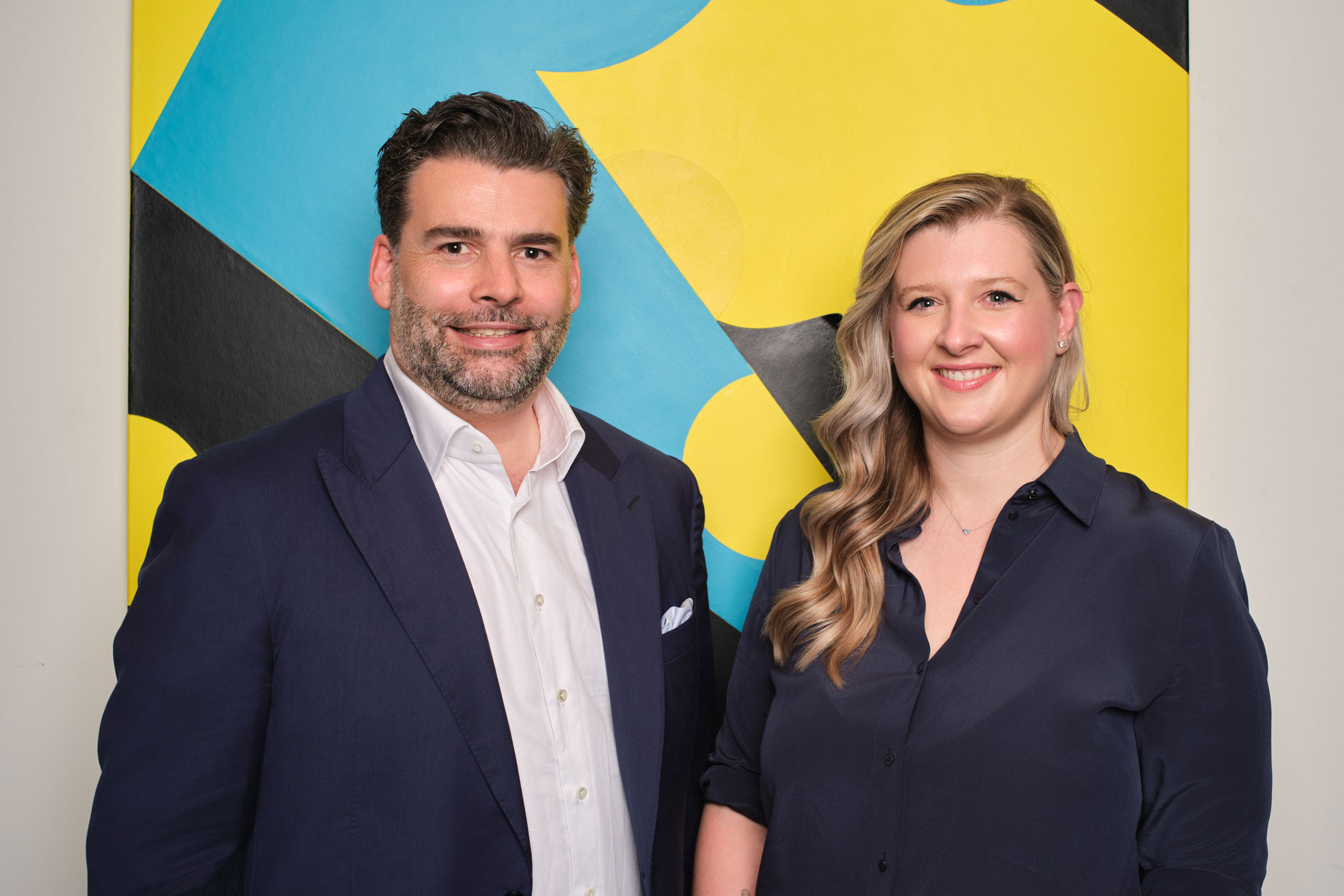
But how can organisations communicate safely and effectively in today’s socially charged climate? Our Managing Partner Hendrik Schulze van Loon and our Senior Consultant Frederike Buddensiek at the renowned Crisis Communication conference in Berlin on 21 and 22 October 2025.
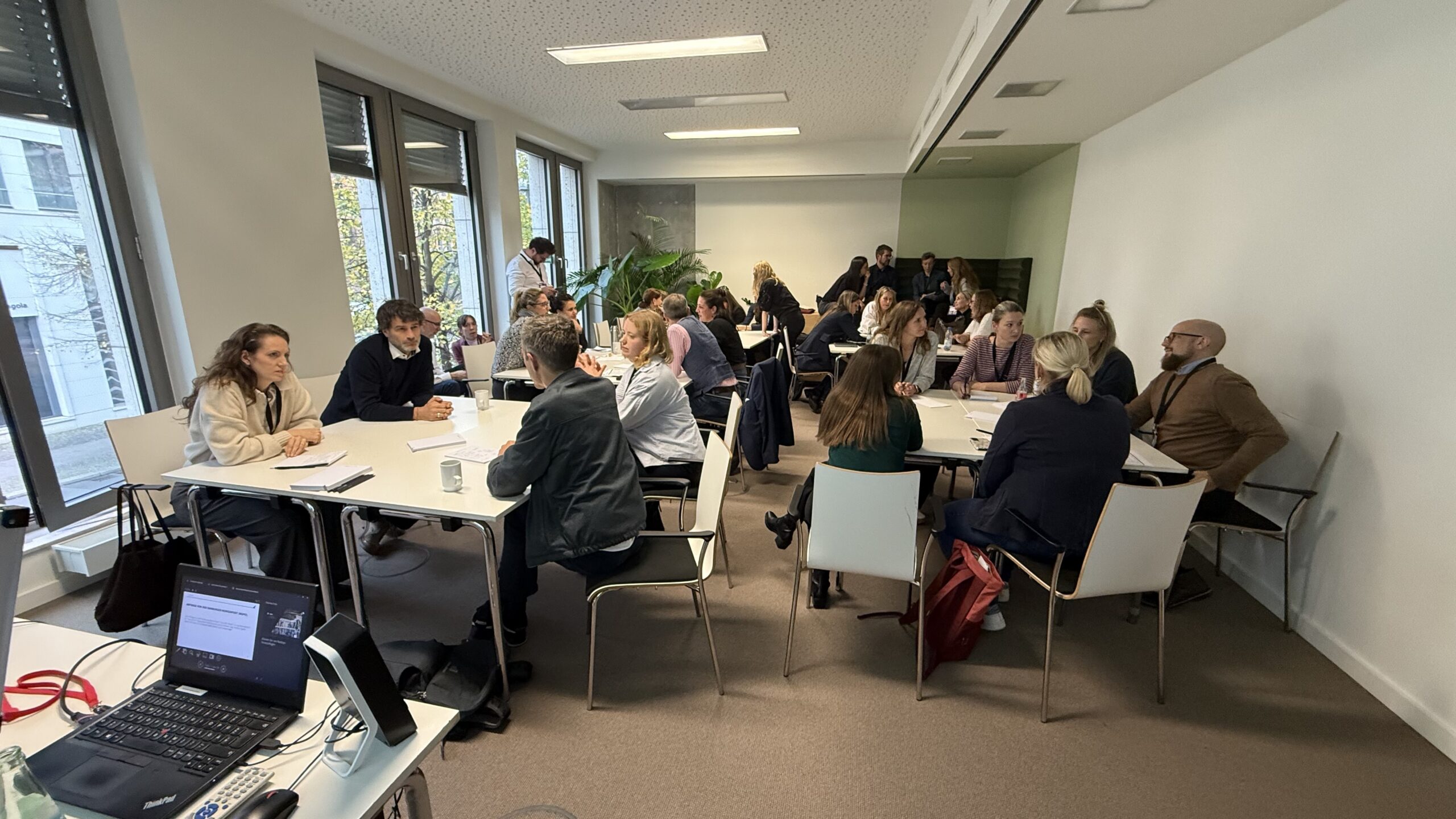
As part of their workshop ‘Organisations in a socially charged environment: Communicating effectively in a hyper-reactive public sphere’, they provided practical insights into the challenges and opportunities of modern crisis communication. The focus was on one key question: How can organisations remain capable of acting in an age of a hyper-reactive, fast-paced and polarised public sphere?
Enormous pressure on organizations to act
The key challenge for organisations lies in the specific mechanisms of this hyper-reactive public sphere: content spreads in real time, and algorithms favour emotionally charged and polarising topics. Moral judgements are made quickly, often without a solid factual basis.
“Once a public gaffe has occurred, the media, influencers and technical amplifiers such as bots and hashtags now create enormous pressure on organisations to act within a very short space of time,” says Hendrik Schulze van Loon, explaining the potential for a crisis.
This dynamic harbours considerable risks: damage to reputation, calls for boycotts, an immediate slump in turnover and, not least, uncertainty amongst the company’s own staff can all result. At the same time, there are communication pitfalls lurking – ranging from a lack of internal response processes, which hinder proactive action during a crisis, to hasty overreactions that further add fuel to the fire.
Whether such an acute crisis can ultimately be managed often depends on crisis prevention work: social listening, the development of crisis plans, regular training sessions and simulations, as well as active dialogue with stakeholders, help organisations to remain capable of taking action in an emergency and to avoid long-term damage to their reputation.
Meeting of experts
The Crisis Communication Conference provided the ideal setting for in-depth discussions with communications professionals from a wide range of sectors. Through keynote speeches, workshops and one-to-one discussions, it became clear that, in times of rapid digital change and growing social divisions, organisations face a dual challenge: on the one hand, to react swiftly; on the other, to act in a strategically considered manner. Professional crisis communication is thus increasingly becoming a strategic management task and a decisive factor for success in managing reputation and trust.
04.11.25
How can we communicate safely in a hyper-reactive public sphere?
A misplaced remark by the CEO, a misleading post or an ill-chosen photo: in a public arena that is becoming increasingly sensitive by the day, the next social media storm is sometimes less than a stone’s throw away.
But how can organisations communicate safely and effectively in today’s socially charged climate? Our Managing Partner Hendrik Schulze van Loon and our Senior Consultant Frederike Buddensiek at the renowned Crisis Communication conference in Berlin on 21 and 22 October 2025.
As part of their workshop ‘Organisations in a socially charged environment: Communicating effectively in a hyper-reactive public sphere’, they provided practical insights into the challenges and opportunities of modern crisis communication. The focus was on one key question: How can organisations remain capable of acting in an age of a hyper-reactive, fast-paced and polarised public sphere?
Enormous pressure on organizations to act
The key challenge for organisations lies in the specific mechanisms of this hyper-reactive public sphere: content spreads in real time, and algorithms favour emotionally charged and polarising topics. Moral judgements are made quickly, often without a solid factual basis.
“Once a public gaffe has occurred, the media, influencers and technical amplifiers such as bots and hashtags now create enormous pressure on organisations to act within a very short space of time,” says Hendrik Schulze van Loon, explaining the potential for a crisis.
This dynamic harbours considerable risks: damage to reputation, calls for boycotts, an immediate slump in turnover and, not least, uncertainty amongst the company’s own staff can all result. At the same time, there are communication pitfalls lurking – ranging from a lack of internal response processes, which hinder proactive action during a crisis, to hasty overreactions that further add fuel to the fire.
Whether such an acute crisis can ultimately be managed often depends on crisis prevention work: social listening, the development of crisis plans, regular training sessions and simulations, as well as active dialogue with stakeholders, help organisations to remain capable of taking action in an emergency and to avoid long-term damage to their reputation.
Meeting of experts
The Crisis Communication Conference provided the ideal setting for in-depth discussions with communications professionals from a wide range of sectors. Through keynote speeches, workshops and one-to-one discussions, it became clear that, in times of rapid digital change and growing social divisions, organisations face a dual challenge: on the one hand, to react swiftly; on the other, to act in a strategically considered manner. Professional crisis communication is thus increasingly becoming a strategic management task and a decisive factor for success in managing reputation and trust.


 English
  German