
15.07.26
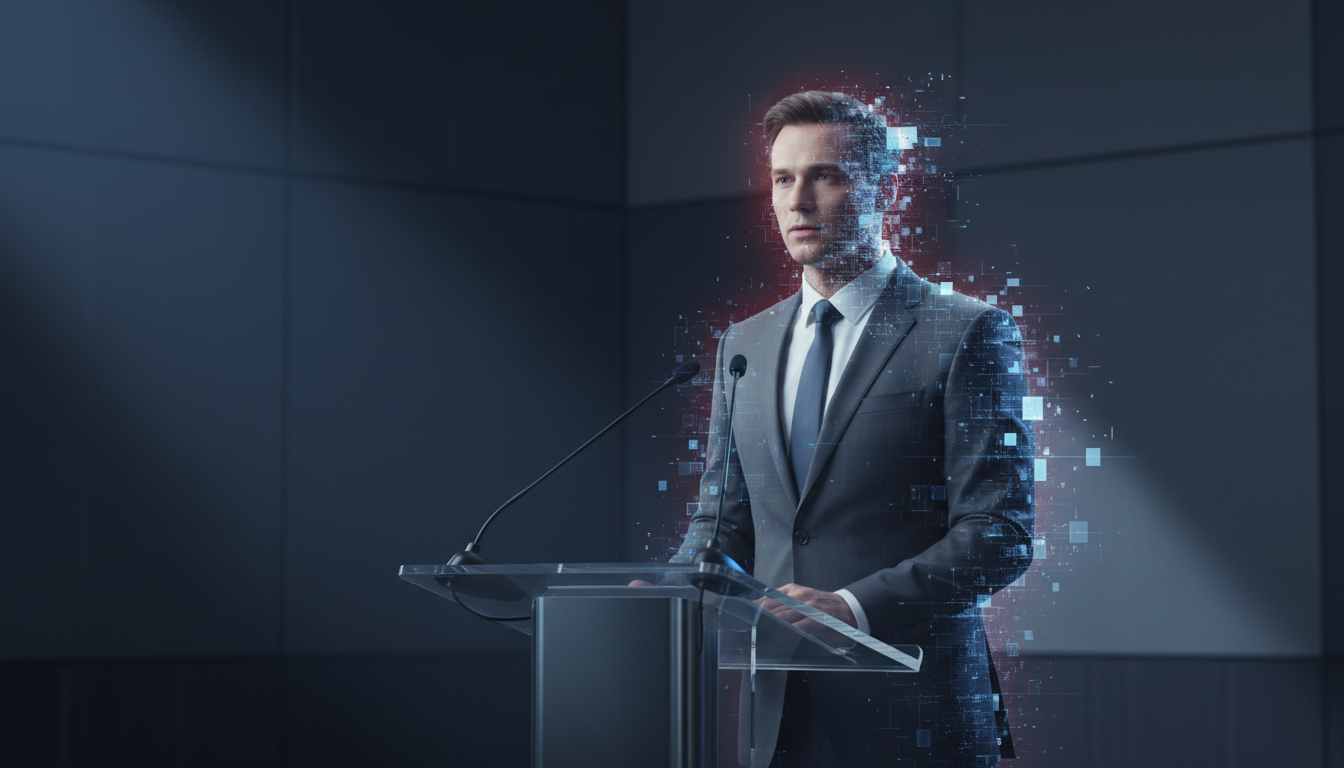
A video goes viral. In it, a company’s CEO recommends a questionable financial product – convincing, authentic, with a familiar voice. The problem: he never actually sat in front of a camera. What sounds like science fiction is everyday business in 2026. CEO deepfakes are no longer a side issue; they are reality. And they hit companies where it hurts: in the credibility of their senior executives.
What is a CEO deepfake?
This new form of identity fraud involves the use of AI-generated videos, audio tracks or images that imitate an executive so convincingly that they appear genuine. Yet the executive has never actually sat in front of a camera or held a microphone. Today, just a few minutes of publicly available audio recordings are enough to create a convincing voice imitation. The crucial point here is that the attack does not target a company’s IT infrastructure, but rather its authority and credibility.
The scenarios are equally diverse: CEO fraud via deepfake video calls to authorize payments, reputational damage caused by fake interviews, statements or identity theft. Voice-cloning fraud increased by 680 per cent in 2025, clear evidence of just how fast, cheap and difficult to detect AI-powered attacks have become.
Why are CEO deepfakes particularly dangerous?
They fundamentally alter the underlying logic of a crisis. It is not a real event that triggers the reputational damage, but a fabrication. The crucial question is no longer “What has happened?”, but “What is real?” – and this is precisely where the real communication challenge begins. What makes this particularly treacherous is that, as attacks often use content that is taken out of context but appears factually correct, rapid detection is virtually impossible.
Companies that are unable to implement a clear communication strategy at that very moment lose control over the narrative – often within a matter of hours. According to a recent survey by Digital Chiefs 80 per cent of companies have neither protocols nor response plans for deepfake attacks. Yet disinformation and deepfakes have long been on the C-level agenda: requiring clear governance structures, an up-to-date assessment of the situation, tried-and-tested crisis manuals and regular drills.
Effective protection begins with a question that many companies have not yet asked themselves: How visible and authentic is our CEO in the public eye – before someone else takes over their voice? Proactive CEO communication, featuring clear narratives, reliable channels and continuous visibility, is not a ‘nice-to-have’ but a form of strategic prevention. This is because deepfake attacks hit executives who are rarely in the public eye particularly hard, as they have not established a credible counter-narrative. By contrast, those who are visible, have established clear messages and use reliable channels present a significantly smaller target for deepfakes. At ORCA van Loon, we advise companies and executives on how to build precisely this resilience before a crisis strikes.
15.07.26
A video goes viral. In it, a company’s CEO recommends a questionable financial product – convincing, authentic, with a familiar voice. The problem: he never actually sat in front of a camera. What sounds like science fiction is everyday business in 2026. CEO deepfakes are no longer a side issue; they are reality. And they hit companies where it hurts: in the credibility of their senior executives.
What is a CEO deepfake?
This new form of identity fraud involves the use of AI-generated videos, audio tracks or images that imitate an executive so convincingly that they appear genuine. Yet the executive has never actually sat in front of a camera or held a microphone. Today, just a few minutes of publicly available audio recordings are enough to create a convincing voice imitation. The crucial point here is that the attack does not target a company’s IT infrastructure, but rather its authority and credibility.
The scenarios are equally diverse: CEO fraud via deepfake video calls to authorize payments, reputational damage caused by fake interviews, statements or identity theft. Voice-cloning fraud increased by 680 per cent in 2025, clear evidence of just how fast, cheap and difficult to detect AI-powered attacks have become.
Why are CEO deepfakes particularly dangerous?
They fundamentally alter the underlying logic of a crisis. It is not a real event that triggers the reputational damage, but a fabrication. The crucial question is no longer “What has happened?”, but “What is real?” – and this is precisely where the real communication challenge begins. What makes this particularly treacherous is that, as attacks often use content that is taken out of context but appears factually correct, rapid detection is virtually impossible.
Companies that are unable to implement a clear communication strategy at that very moment lose control over the narrative – often within a matter of hours. According to a recent survey by Digital Chiefs 80 per cent of companies have neither protocols nor response plans for deepfake attacks. Yet disinformation and deepfakes have long been on the C-level agenda: requiring clear governance structures, an up-to-date assessment of the situation, tried-and-tested crisis manuals and regular drills.
Effective protection begins with a question that many companies have not yet asked themselves: How visible and authentic is our CEO in the public eye – before someone else takes over their voice? Proactive CEO communication, featuring clear narratives, reliable channels and continuous visibility, is not a ‘nice-to-have’ but a form of strategic prevention. This is because deepfake attacks hit executives who are rarely in the public eye particularly hard, as they have not established a credible counter-narrative. By contrast, those who are visible, have established clear messages and use reliable channels present a significantly smaller target for deepfakes. At ORCA van Loon, we advise companies and executives on how to build precisely this resilience before a crisis strikes.


 English
  German