
28.02.26
The risk landscape for businesses is changing rapidly. The Allianz Risk Barometer 2026 shows that, for the fifth year running, cyber incidents top the list of the world’s biggest business risks. At 42 per cent, this is the highest figure ever recorded. At the same time, a new player has broken into the top three: AI risks have jumped from 10th to 2nd place globally. This combination is changing the way companies experience and manage crises.
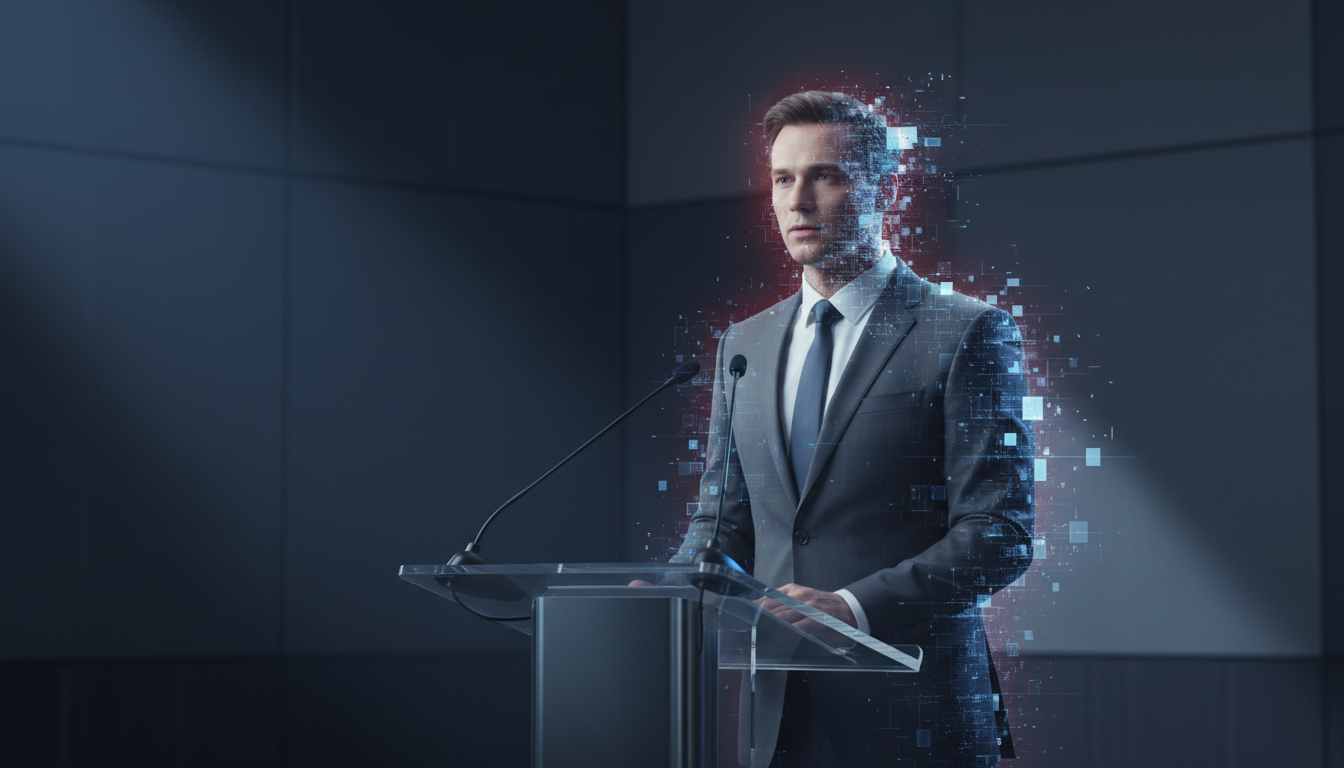
AI is making cyberattacks more frequent, more targeted, faster and harder to detect. Deepfakes, automated phishing campaigns and AI-fuelled disinformation are no longer scenarios of the future. They are a reality today. For businesses, this means that the question is no longer whether an attack will happen, but how well prepared they are to communicate effectively in the event of one.
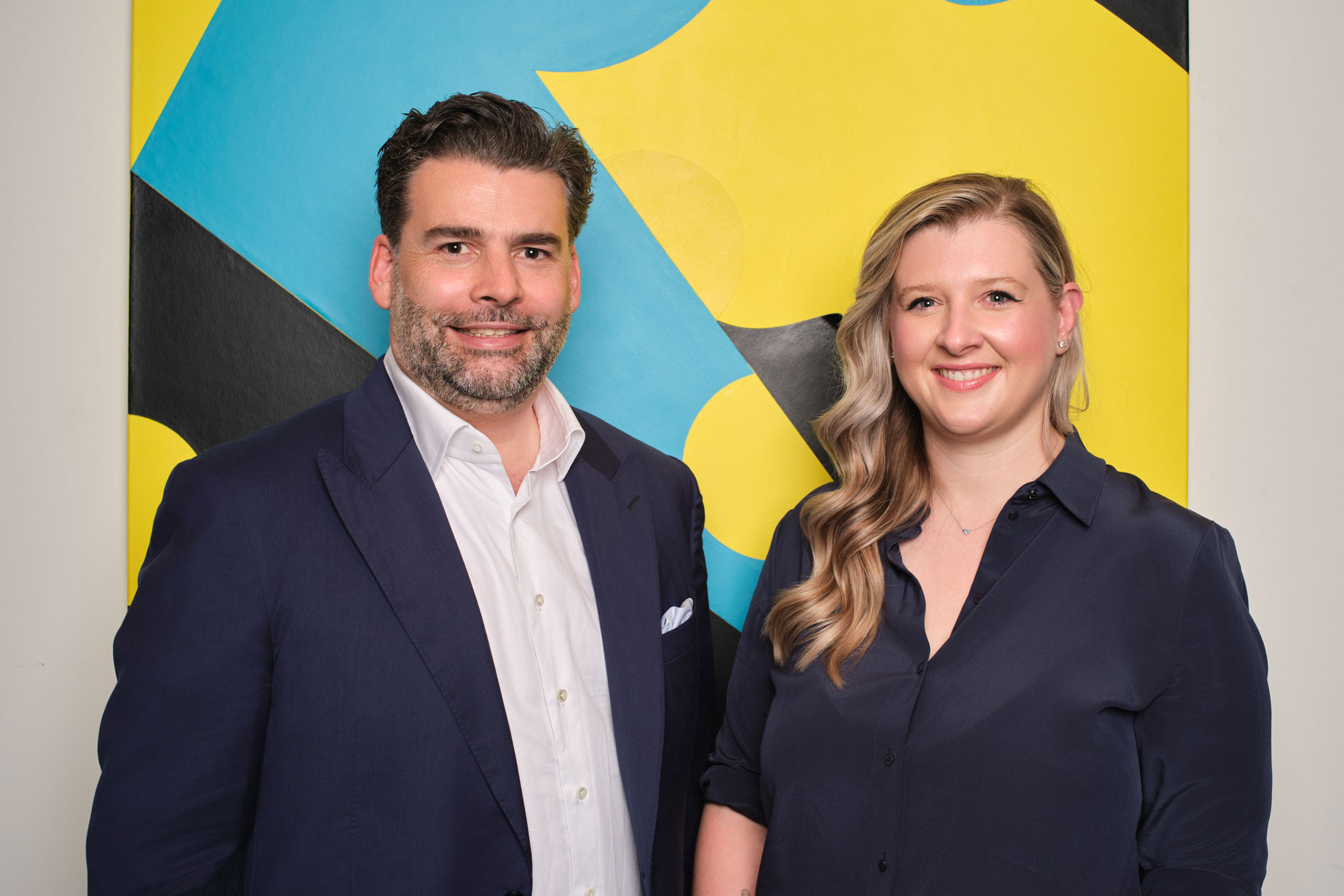
Hendrik Schulze van Loon, Managing Partner at ORCA van Loon Communications and co-founder of the ENUR expert network, says: “AI is fundamentally changing the threat landscape for businesses. Anyone who still thinks of cyber resilience today without a well-thought-out crisis communication strategy will face the consequences tomorrow. Not just in technical terms, but above all in terms of the trust of their stakeholders.”
Future-proof crisis prevention involves more than just IT security. It means: clear communication responsibilities, trained spokespersons, tried-and-tested crisis plans and a network of interdisciplinary experts – ranging from IT forensics and legal matters to crisis communication. This is precisely the approach ENUR takes: practical, networked and tailored to the realities of medium-sized businesses.
The Allianz Risk Barometer 2026 provides the data. The real challenge for businesses begins now: Crisis Prevention and professional crisis communication should no longer be viewed merely as a reactive tool, but rather as a strategic investment in one’s own future viability.
28.02.26
The risk landscape for businesses is changing rapidly. The Allianz Risk Barometer 2026 shows that, for the fifth year running, cyber incidents top the list of the world’s biggest business risks. At 42 per cent, this is the highest figure ever recorded. At the same time, a new player has broken into the top three: AI risks have jumped from 10th to 2nd place globally. This combination is changing the way companies experience and manage crises.
AI is making cyberattacks more frequent, more targeted, faster and harder to detect. Deepfakes, automated phishing campaigns and AI-fuelled disinformation are no longer scenarios of the future. They are a reality today. For businesses, this means that the question is no longer whether an attack will happen, but how well prepared they are to communicate effectively in the event of one.
Hendrik Schulze van Loon, Managing Partner at ORCA van Loon Communications and co-founder of the ENUR expert network, says: “AI is fundamentally changing the threat landscape for businesses. Anyone who still thinks of cyber resilience today without a well-thought-out crisis communication strategy will face the consequences tomorrow. Not just in technical terms, but above all in terms of the trust of their stakeholders.”
Future-proof crisis prevention involves more than just IT security. It means: clear communication responsibilities, trained spokespersons, tried-and-tested crisis plans and a network of interdisciplinary experts – ranging from IT forensics and legal matters to crisis communication. This is precisely the approach ENUR takes: practical, networked and tailored to the realities of medium-sized businesses.
The Allianz Risk Barometer 2026 provides the data. The real challenge for businesses begins now: Crisis Prevention and professional crisis communication should no longer be viewed merely as a reactive tool, but rather as a strategic investment in one’s own future viability.

 English
  German